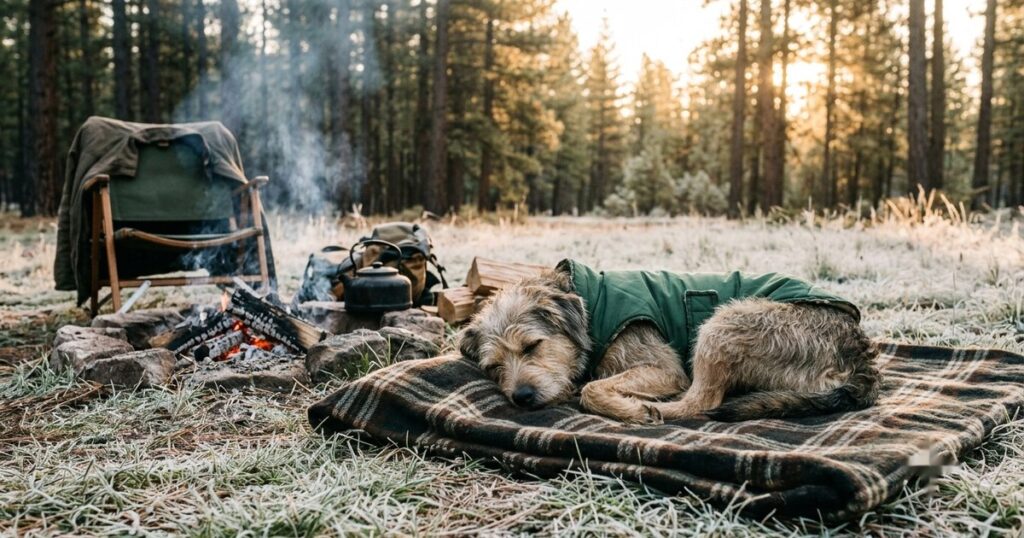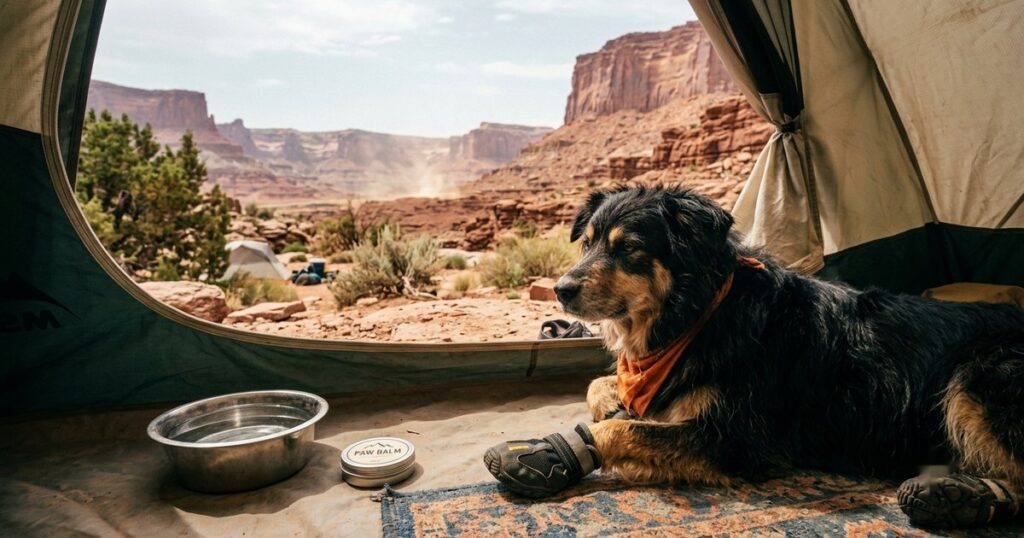
There’s a dead-simple test for whether your dog’s paws need protection: if the ground is too hot, too cold, or too rough for your own bare hand, it’s too much for their pads. Press the back of your hand to the pavement for seven seconds – if you can’t hold it, neither can they. As a rule, once the air hits about 85F, asphalt and sand are hot enough to burn a dog’s paws.
Two tools fix it, and the right one depends as much on your dog’s patience as on the terrain: boots for real protection and traction, or paw balm for an easy, breathable barrier that even boot-hating dogs accept. Here’s how to choose, the picks worth buying, and the summer mistake that quietly overheats dogs – the one most guides leave out.
First, is it actually too much for their paws?
Dogs’ pads are tough, but they’re not armour. The barefoot test settles it: if you wouldn’t walk on it comfortably barefoot, don’t make your dog. The usual culprits are hot pavement and sand in summer (paws burn fast above ~85F air temperature), ice, snow and road salt in winter (cracking, chemical burns, ice balling between the toes), and sharp, rocky or scree trails year-round. If your route has any of those, pack protection.
Boots vs balm: the real decision
Both protect paws; they protect differently, and dogs feel very differently about them.
- Boots = maximum protection + traction. The only thing that fully shields pads from sharp rock, burning pavement, ice and salt, and they add grip on slick surfaces. The catch: many dogs hate them at first, they can rub if badly fitted, and they take a minute to put on four feet. Worth it for genuinely hostile terrain.
- Balm / paw wax = easy, breathable, accepted. A food-grade wax you rub on creates an ‘invisible boot’ against hot pavement, snow and salt, and conditions dry, cracked pads. It’s the answer for dogs that refuse boots and for moderate conditions. It won’t stop a sharp rock cutting a pad, and it rubs off, so you reapply.
| Situation | Best tool | Why |
|---|---|---|
| Sharp rock / scree trails | Boots | Only a sole stops cuts and abrasion |
| Hot pavement / sand (summer) | Boots (breathable) or balm | Both block heat; mind overheating |
| Ice, snow & road salt | Boots, or balm for short trips | Stops ice-balling, salt burn, cracking |
| Dry, cracked pads (maintenance) | Balm | Conditions and restores moisture |
| Dog that refuses boots | Balm | The protection they’ll actually accept |
The picks
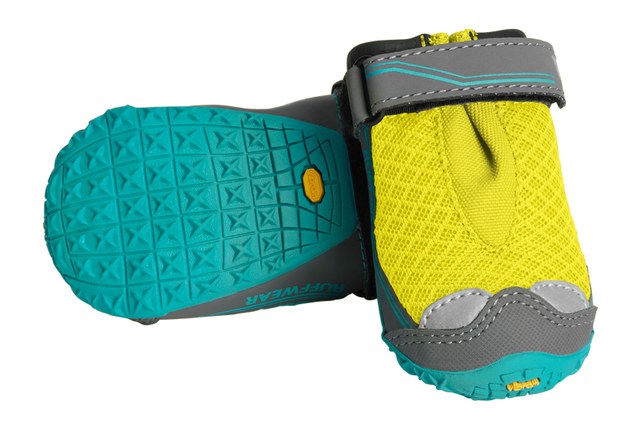
Ruffwear Grip Trex Dog Boots
The trail standard. Vibram soles give the best traction in the class and shrug off hundreds of miles – owners report pairs still going strong after years. They protect against hot rock, sharp scree, ice and salt, and the design goes on relatively easily for a four-boot job. The summer-weight mesh version breathes, which matters more than people think (see below). If your dog tolerates boots, buy these.
Kurgo Blaze Cross Dog Boots
The secure-fit alternative and a strong value. Two closures and a shaped boot give a very secure hold – they stay on dogs that kick others off – with good traction soles. The trade is they take a bit longer to put on thanks to the extra straps. If your dog is an escape artist who flings off looser boots, the Blaze’s grip on the leg is the fix.
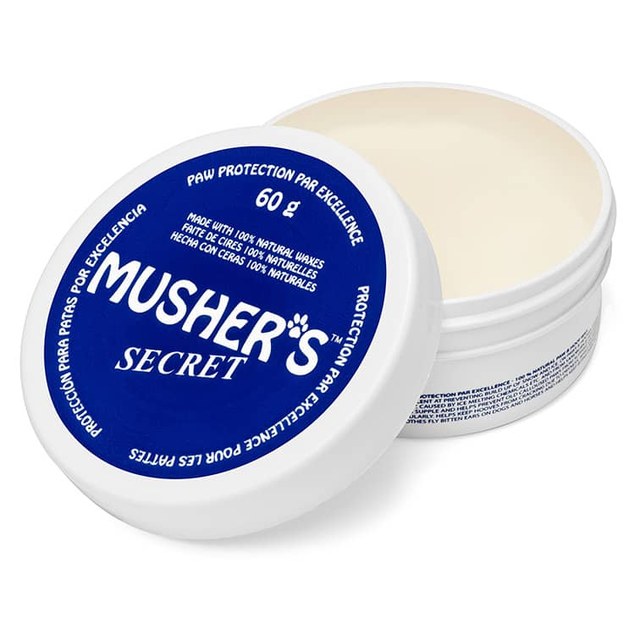
Musher’s Secret Paw Wax
The boot-free answer, and the one to buy if your dog flatly refuses footwear. A food-grade wax that forms a breathable ‘invisible boot’ against hot pavement, snow, salt and sand, while conditioning dry, cracked pads. Rub it on a couple of times a week and before outings. It won’t stop a sharp rock the way a sole does, and it wears off so you reapply, but for moderate conditions and stubborn dogs it’s brilliant and cheap.
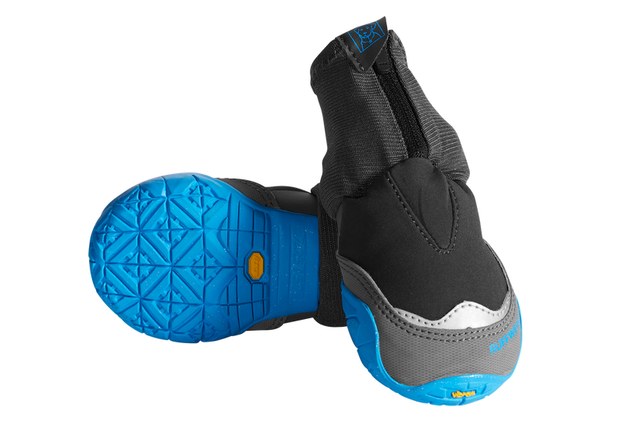
Ruffwear Polar Trex (winter boots)
The cold-weather sibling of the Grip Trex, with an insulated softshell upper for snow and ice. If your protection problem is winter – frozen, salted, sharp icy ground – these add warmth the summer boots don’t. Overkill (and too warm) for hot-weather use, so think of them as the winter half of a two-season boot setup. Covered more in our cold-weather dog guide.
The summer mistake: boots that cook your dog
Here’s the bit most guides skip. Dogs shed heat through their paws. Put thick, fleece-lined or insulated boots on a dog in summer and you’ve corked one of its cooling systems – on a hot day that nudges it toward overheating. So in heat, use breathable, summer-weight boots (or balm), keep them on only as long as the hot surface demands, and watch for heavy panting. Save the insulated boots for winter. The goal is protecting pads without trapping heat.
What to skip
- Cheap sock-style booties. No real sole means no protection from heat or sharp ground, and they fall off within a mile. A bootie without a proper rubber sole is just a sock.
- Insulated boots in summer. They trap heat your dog needs to lose through its paws. Breathable in heat, insulated only in cold.
- Skipping the home trial. First-time boots feel weird; dogs high-step like cartoons. Fit them and practise indoors with treats before the trail, or you’ll spend the hike retrieving flung boots.
- Bad fit. Too loose and they spin off; too tight and they rub. Measure the paw and follow the size chart – fit matters more than brand.
- Assuming tough pads need nothing. Even a trail dog’s pads burn on hot asphalt and crack in salt. Do the barefoot test every time.
More for camping with your dog: how to keep your dog warm camping (where winter boots fit in) · keeping your dog cool in summer heat (the hand test’s other job) · best GPS dog tracker for off-grid camping.
The receipts: what I read and watched
- Expert review7 Best Dog Shoes and Boots of 2026 (tested) ↗ – Treeline ReviewField testing naming the Grip Trex and Kurgo Blaze top boots for traction and fit.
- Expert reviewRuffwear Grip Trex Dog Boot review ↗ – CleverHikerVibram traction and multi-year durability behind the top pick.
- Expert reviewThe hot-surface threshold and when boots vs balm make sense.
- Expert reviewDog boots & paw protection (boots-vs-wax, overheating) ↗ – Trail & KaleMusher’s Secret ‘invisible boot’ wax and the summer breathability/overheating point.
FAQ
How do I protect my dog’s paws when hiking?
Match the tool to the terrain. For sharp rock, hot pavement or ice, use boots with real rubber soles (Ruffwear Grip Trex). For moderate conditions or a dog that won’t wear boots, rub on a paw wax like Musher’s Secret. Always do the barefoot test first – if the ground’s too hot or rough for your hand, protect the paws.
Are dog boots or paw balm better?
Boots give the most protection and the only real defence against cuts on sharp ground, plus traction – but some dogs resist them. Balm is easier, breathable and well accepted, great for heat, snow and salt and for conditioning pads, but it won’t stop a sharp rock and wears off. Many owners carry both.
At what temperature is pavement too hot for dog paws?
Around 85F air temperature is the common threshold where asphalt and sand get hot enough to burn paws, though dark pavement in direct sun runs hotter. Use the seven-second test: press the back of your hand to the ground – if you can’t hold it for seven seconds, it’s too hot for your dog.
Can dog boots make my dog overheat?
Yes – dogs release heat through their paws, so thick or insulated boots in hot weather can contribute to overheating. In summer use breathable, summer-weight boots (or balm), keep them on only as long as the hot surface requires, and save insulated boots for winter.